Spot and Preemptible Instances: Cheap Compute With a Catch
Up to ninety per cent off, on the condition that the provider can take the machine back with two minutes of notice.
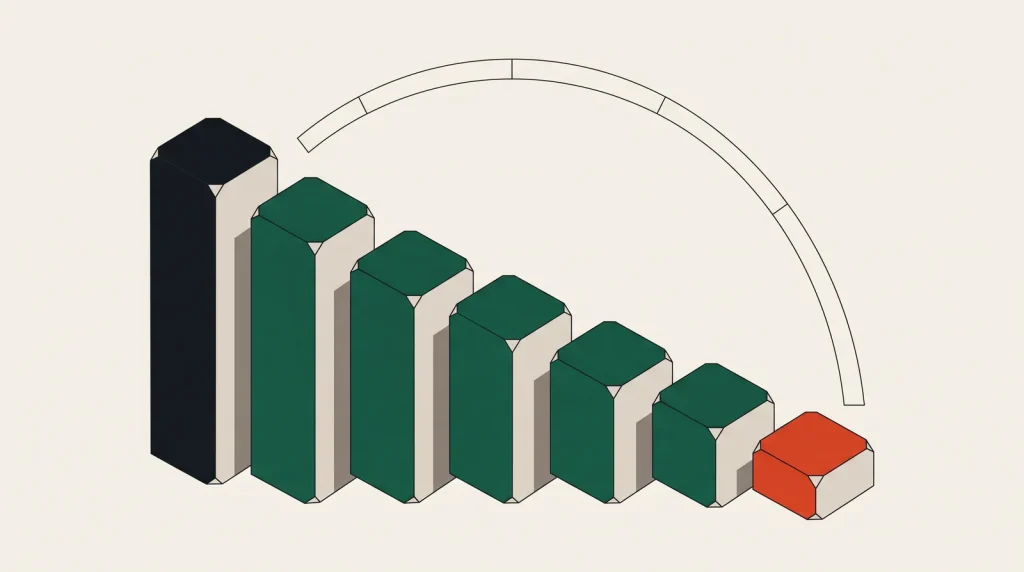
Cloud providers hold spare capacity for demand that has not arrived yet. Rather than let it idle, they sell it at a steep discount with one condition: they can reclaim it, usually with a short warning.
Discounts of 60 to 90 per cent are typical. Whether that is a bargain depends entirely on whether your workload can be interrupted.
What each platform calls it
| Platform | Name | Warning before reclaim |
|---|---|---|
| AWS | Spot Instances | Two minutes |
| Google Cloud | Spot VMs | Thirty seconds |
| Azure | Spot Virtual Machines | Thirty seconds |
| Alibaba Cloud | Preemptible instances | Five minutes |
| Oracle Cloud | Preemptible instances | Thirty seconds |
Thirty seconds is enough to stop accepting work and checkpoint. It is not enough to finish a long job, which is why the workload has to be designed for it.
Workloads that fit
- Batch processing — image and video encoding, data transformation, report generation.
- CI and build runners — a lost build is re-run, not lost work.
- Machine learning training with checkpointing to storage.
- Stateless web tiers, mixed with on-demand capacity behind a load balancer.
- Analytics jobs on frameworks that already handle node loss.
- Development and test environments where an interruption is an inconvenience.
Workloads that do not
- Databases and anything holding state on local disk.
- Long jobs with no checkpointing, where an interruption loses hours.
- Anything with a hard latency commitment during peak.
- Single-instance services with no redundancy.
- Workloads on rare instance types with thin spare capacity, where interruption is frequent.
Designing for interruption
- Handle the termination notice. Every platform exposes it through instance metadata. Poll it and react.
- Drain gracefully — stop taking new work, finish or checkpoint what is in progress, deregister from the load balancer.
- Checkpoint to durable storage, not to local disk, which disappears with the instance.
- Make jobs idempotent, so re-running after an interruption is safe.
- Diversify instance types. Spreading across several families and zones dramatically reduces simultaneous interruption.
- Mix with on-demand. A base of on-demand capacity plus spot for the rest gives most of the saving with none of the availability risk.
That last pattern is the one most production estates use, and it is why spot is not only for batch work.
How likely is interruption
It varies by instance type, region and time. AWS publishes interruption frequency by instance type, which is worth checking before committing an architecture to a particular family.
General patterns: older and more common families interrupt less; scarce types such as high-end GPUs interrupt far more; and interruption clusters during regional demand peaks, so several instances of the same type may go at once. Diversification is the defence.
Spot versus commitment discounts
| Spot | Reserved / savings plan | |
|---|---|---|
| Discount | 60–90% | 30–60% |
| Commitment | None | 1 or 3 years |
| Availability | Not guaranteed | Guaranteed |
| Suits | Interruptible work | Steady baseline |
| Risk | Interruption | Paying for unused commitment |
They combine well. Commit to the baseline, run steady growth on demand, and use spot for burst and batch.
Common questions
Does the price change constantly?
On AWS, spot prices now move gradually rather than by second-by-second auction. On GCP and Azure spot pricing is largely fixed. In all cases the discount is substantial and reasonably predictable.
Can I stop an interruption?
No. The notice is informational, not negotiable. Design around it.
Is spot suitable for Kubernetes?
Yes, and it is a common pattern. Use a separate node group for spot, taint it appropriately, and keep stateful workloads on on-demand nodes.
What if capacity is unavailable?
Spot requests can go unfulfilled during high demand. Always have an on-demand fallback for work that must run.
Where to go next
See reserved instances and commitments and cutting a cloud bill.
Read next
Egress Costs: The Line Item Nobody Provisioned
You choose an instance size. You do not choose an egress bill — it arrives as a consequence of decisions made…
Cutting a Cloud Bill: Where the Money Actually Is
Cost reduction efforts usually start with the wrong line item. Here is the order that finds real money fastest.
Managed Services vs Self-Hosting: The Honest Cost Comparison
A managed database costs three times the server it runs on. Whether that is expensive depends on what your time is…